Job market paper
Can Religion Bridge Ethnic Divides?
Pastors, Chiefs, and Collective Action
- CEGA Development Economics Challenge
- Weiss Fund Research Grant
- CEPR ReCIPE PhD Research Grant
- J-PAL Multidisciplinary Grant
Abstract
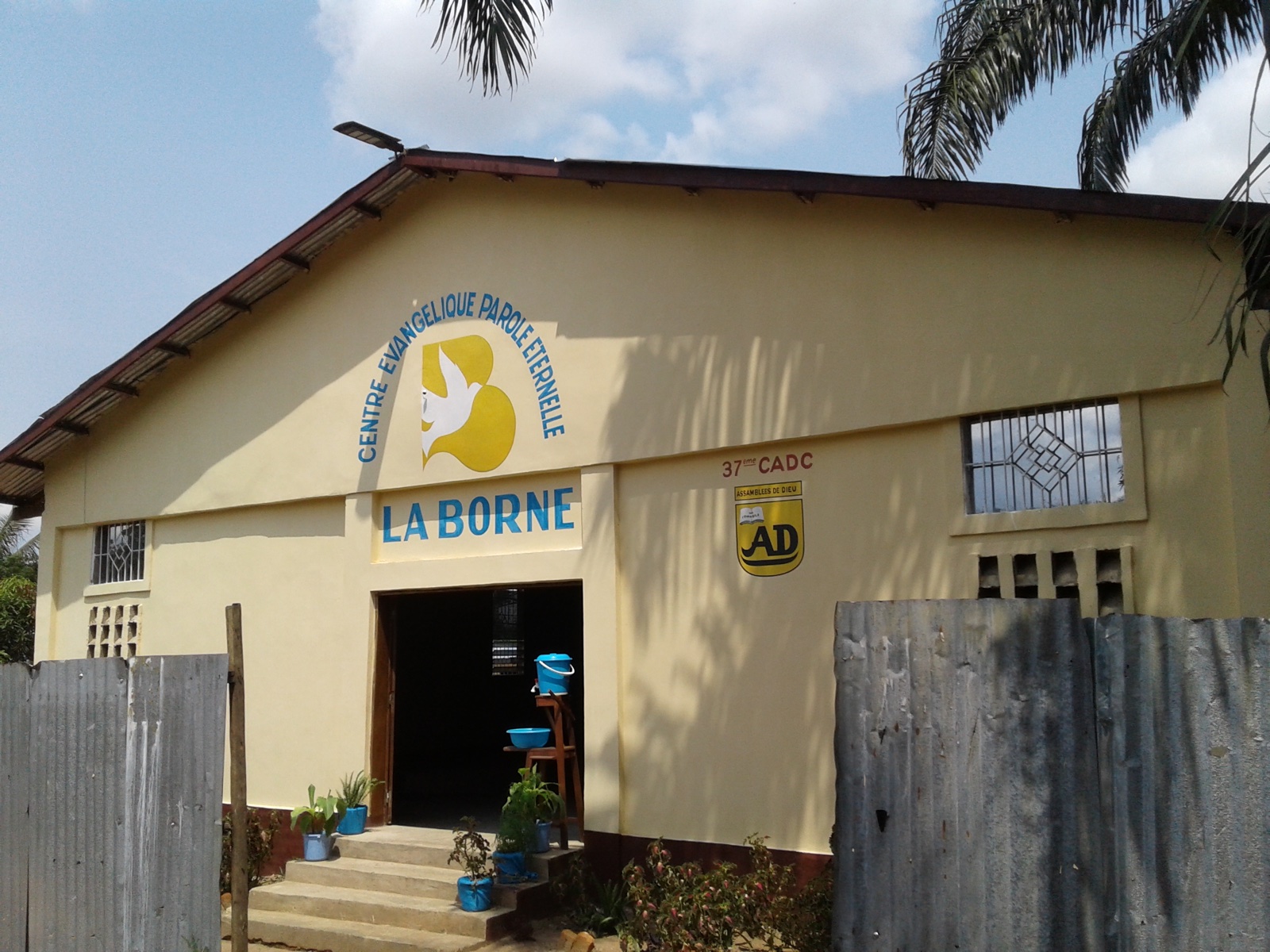
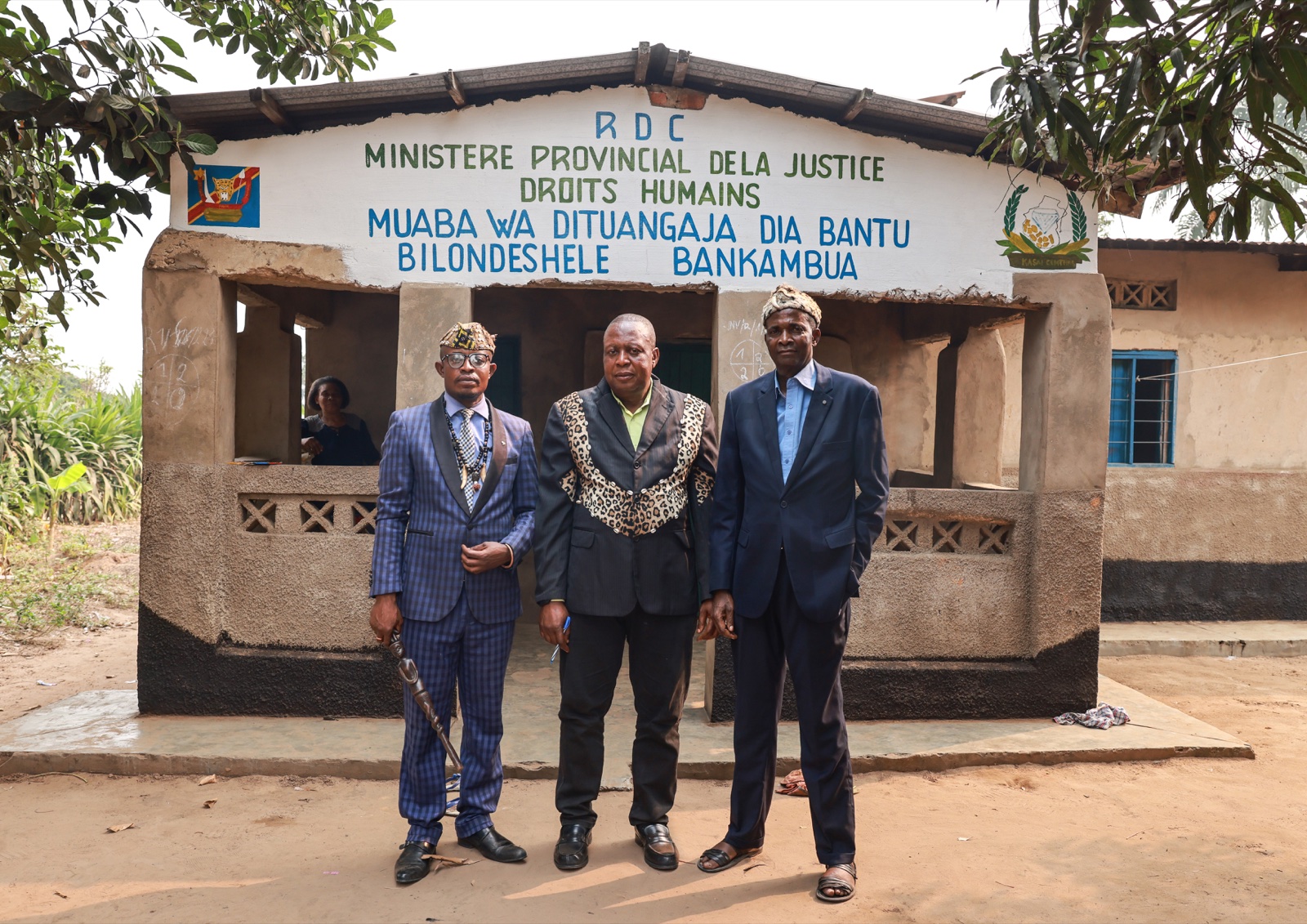
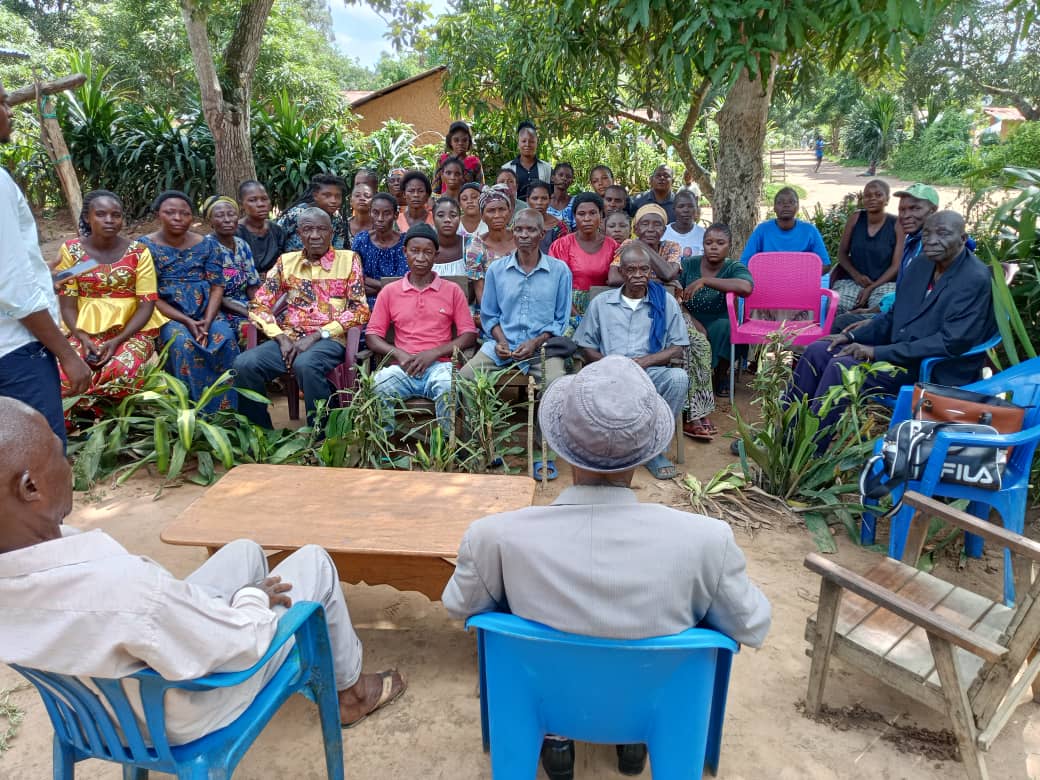
Ethnic fragmentation is thought to undermine economic development. In one prominent mechanism, greater free-riding in heterogeneous societies erodes the provision of local public goods. This paper examines whether ethnic and religious leaders can sustain cooperation in a voluntary public-works program in an ethnically diverse city in the D.R. Congo. Residents are randomly assigned to ethnically homogeneous or mixed work teams that either include an ethnic chief, a pastor, or no leader at all. Chiefs raise participation in public good provision by 4.8 percentage points in homogeneous teams and have no detectable effect in mixed ones; pastors raise participation by 6.3 points in mixed teams and have no detectable effect in homogeneous ones, with a significant reversal of their relative advantage across group compositions. A cross-randomization that makes individual contributions public helps identify distinct enforcement strategies. Chiefs are effective only when each resident's own contribution is visible to teammates, consistent with social sanctioning. Pastors, by contrast, are only effective when contributions are not visible, consistent with internal incentives governed by a fear of divine oversight. The paper provides the first experimental evidence on when religious leaders can substitute for customary authority in sustaining voluntary public-goods provision in fragmented societies.
More coming soon.