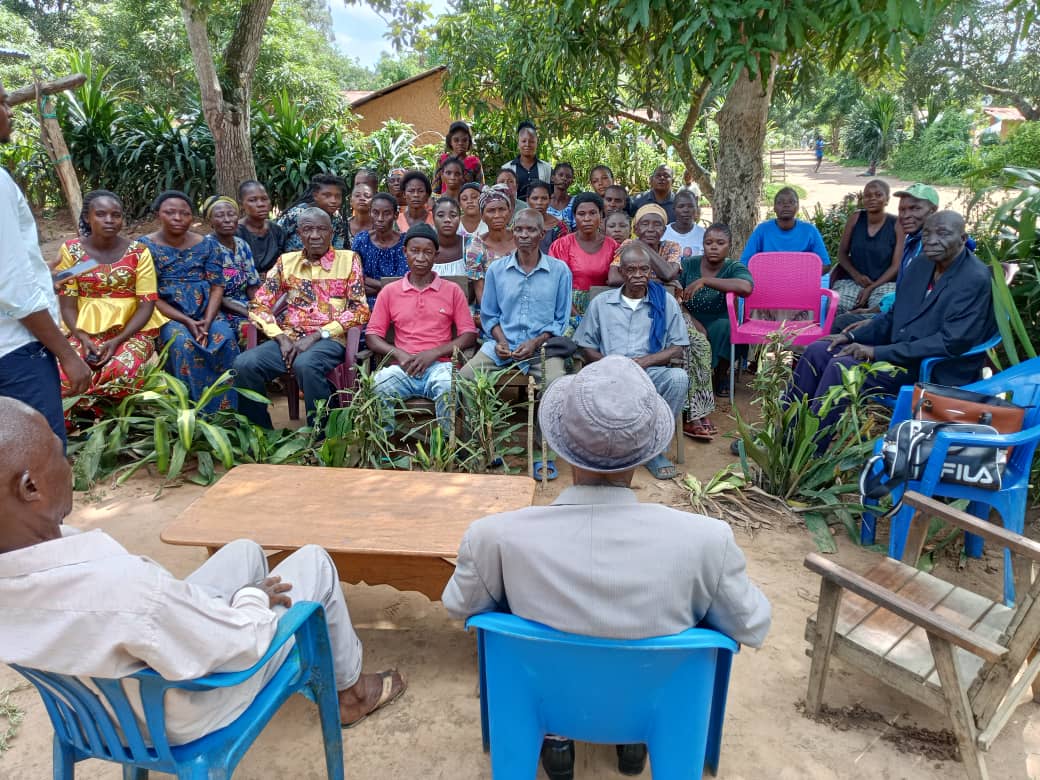
Ethnic fragmentation is thought to undermine economic development. In one prominent mechanism, greater free-riding in heterogeneous societies erodes the provision of local public goods. This paper examines whether ethnic and religious leaders can sustain cooperation in a voluntary public-works program in an ethnically diverse city in the D.R. Congo. Residents are randomly assigned to ethnically homogeneous or mixed work teams that either include an ethnic chief, a pastor, or no leader at all. Chiefs raise participation in public good provision by 4.8 percentage points in homogeneous teams and have no detectable effect in mixed ones; pastors raise participation by 6.3 points in mixed teams and have no detectable effect in homogeneous ones, with a significant reversal of their relative advantage across group compositions. A cross-randomization that makes individual contributions public helps identify distinct enforcement strategies. Chiefs are effective only when each resident's own contribution is visible to teammates, consistent with social sanctioning. Pastors, by contrast, are only effective when contributions are not visible, consistent with internal incentives governed by a fear of divine oversight. The paper provides the first experimental evidence on when religious leaders can substitute for customary authority in sustaining voluntary public-goods provision in fragmented societies.
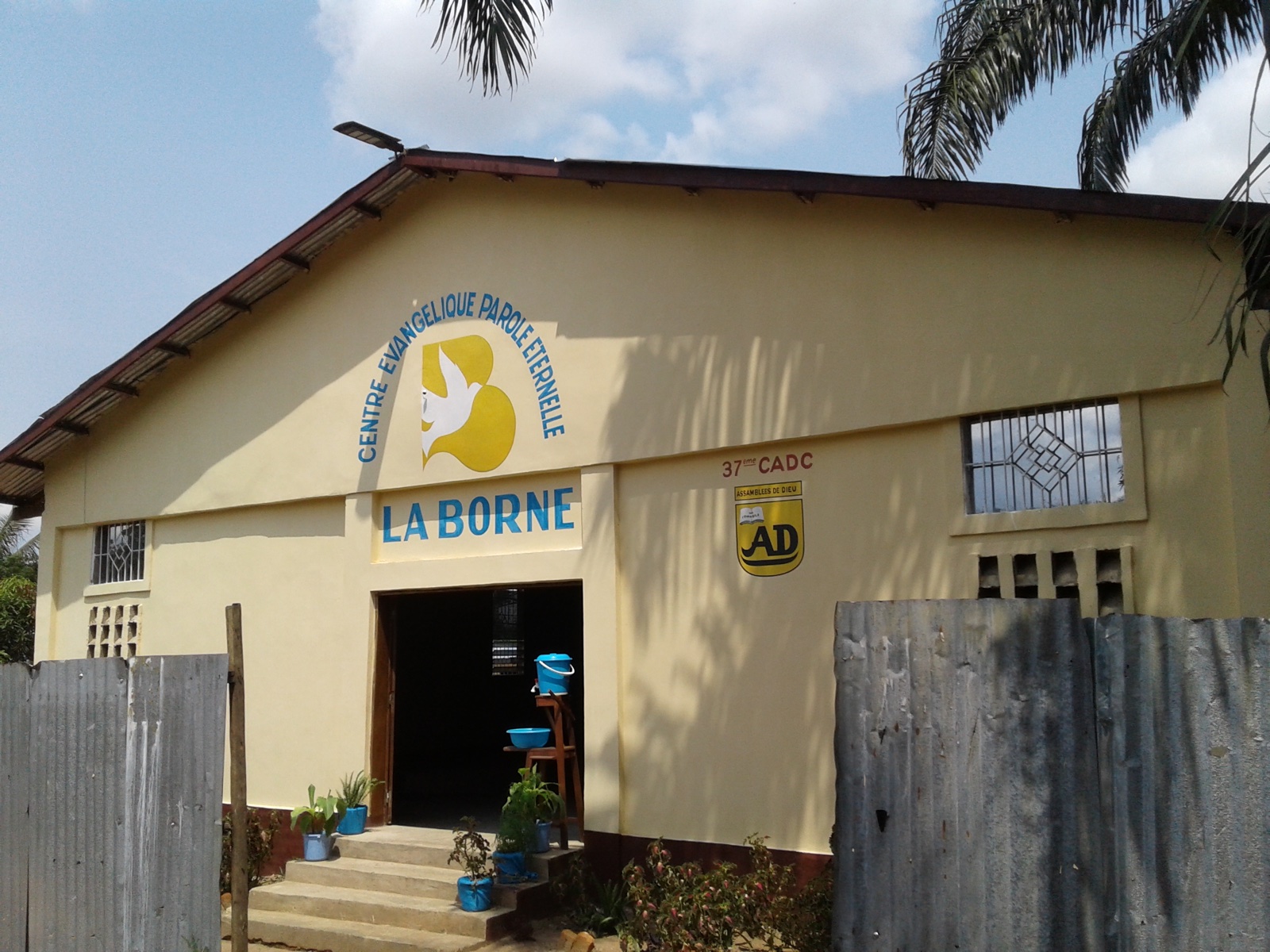
Why should the rich pay more? An individual moral economy treats prosperity as the fruit of faith and effort, carrying a personal duty to give back. A collective moral economy emphasizes shared responsibility for poverty and support for the disadvantaged. Religious traditions place different emphasis on these accounts, with potentially different implications for redistributive preferences. We study their implications in the context of a progressive taxation reform through a randomized experiment with churches in Kananga, Democratic Republic of the Congo. The tax administration asks pastors to relay property-tax information to their congregations. We randomly assign pastors to receive this request alone, the request with suggested sermons justifying higher taxes on the better-off through individual or collective responsibility, or no materials. Pastors choose whether and how to convey these messages. Recorded sermons, congregant surveys, and administrative payment records measure message uptake, beliefs about poverty and wealth, support for progressive taxation and redistribution, and tax compliance. The experiment tests whether these appeals motivate citizens to finance the state and whether their effectiveness depends on pastors' and congregants' religious beliefs.
With Augustin Bergeron, Eva Davoine, Marina Ngoma, James Robinson, and Jonathan Weigel.
Abstract
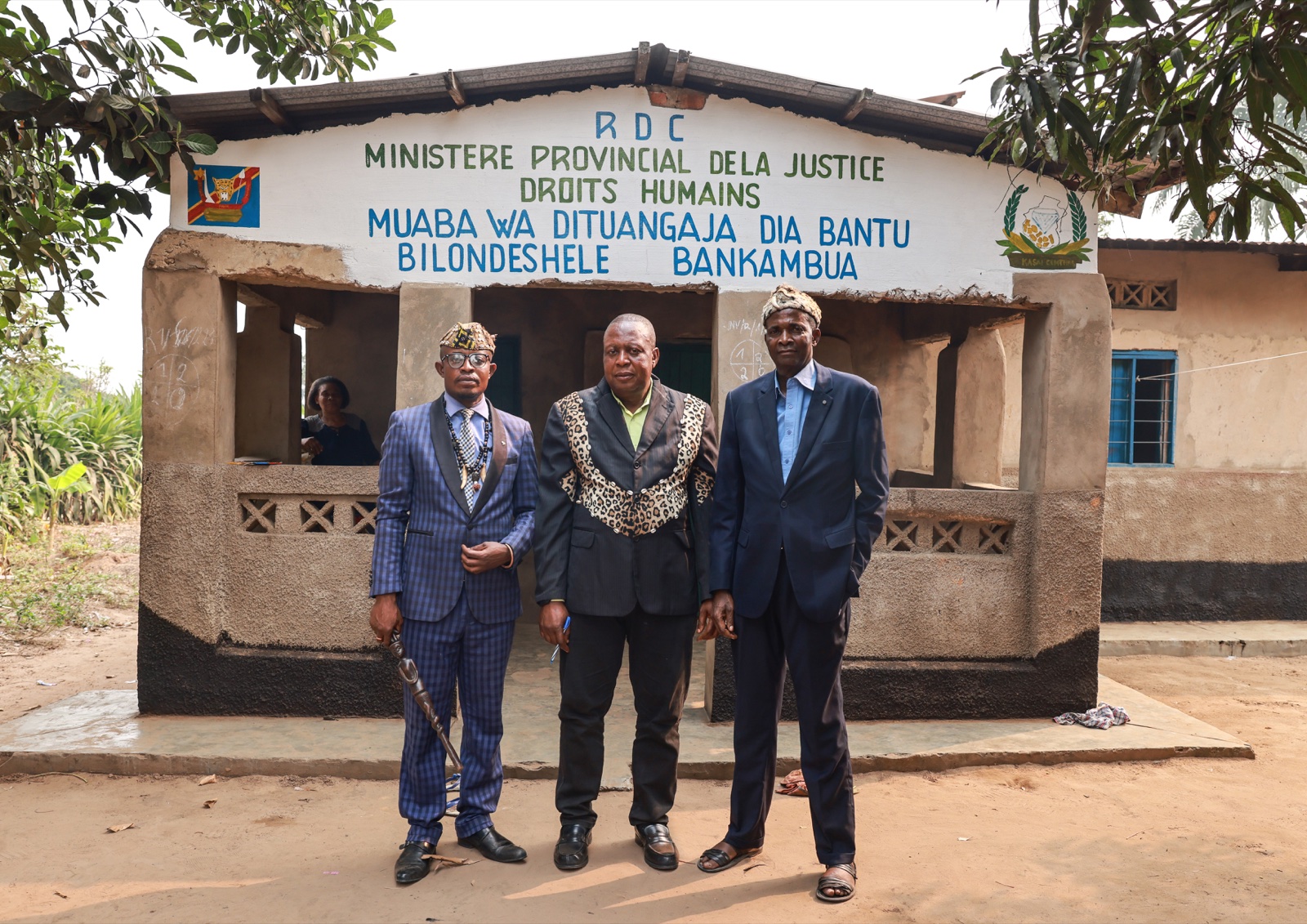
This project studies a low-capacity state, the D.R. Congo, seeking to establish legal capacity and how its efforts to do so shape citizens' demand for the state. We examine the randomized rollout of a legal capacity-building program implemented at scale in the city of Kananga by the Provincial Ministry of Justice. Local property disputes are randomly assigned to receive free arbitration offered by state-licensed lawyers. We study how this legal capacity program shapes property rights security, social cohesion and trust, and citizens' willingness to fund the formal state through taxes. An information treatment helps shed light on mechanisms.